
Replacing a missing tooth within a single clinical visit uses coordinated diagnostic, surgical, and restorative steps so that a patient can leave with a functional replacement on the same day as treatment. This approach combines modern imaging, planning, and fabrication technologies with clinical techniques that permit provisional restoration or definitive prosthesis placement without the traditional multi-visit timeline. The objective is to restore tooth form and basic function promptly while maintaining conditions that allow later adjustments or conversion to a longer-term restoration if needed.
Same-day replacement options typically vary by how the replacement is fabricated and fixed. Some approaches rely on immediate placement of an implant and fitting of a provisional crown, while others use chairside digital systems to mill a ceramic crown in one visit. Removable immediate prostheses or resin-bonded fixed options can also provide same-day outcomes. Selection often depends on clinical factors such as bone and soft-tissue status, occlusion, and the patient’s restorative goals; these factors may influence whether a same-day approach is appropriate for a given case.
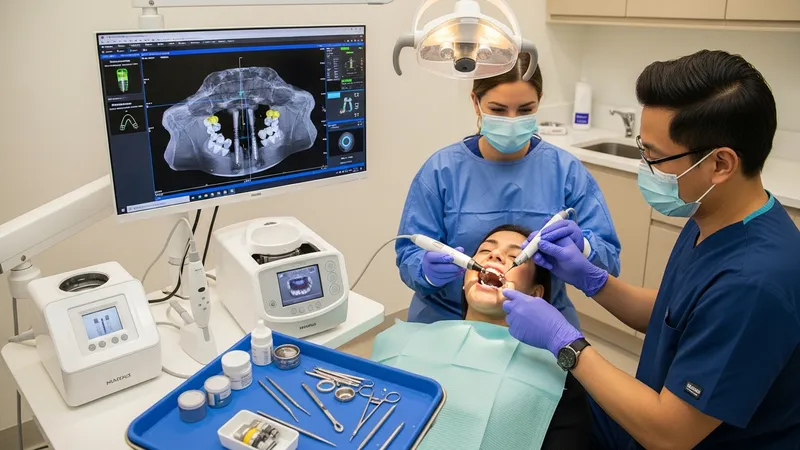
When comparing these options, clinicians typically consider biological load, esthetic zone demands, and the need for provisional support. Immediate implant provisionalization may be chosen where primary stability of the implant can be achieved, whereas chairside crowns are used when a prepared tooth or an abutment is available for immediate restoration. Resin-bonded or removable solutions may be selected when the surgical or anatomical conditions limit immediate fixed restorations. Each method can have distinct material and laboratory requirements that affect the clinical workflow and short-term maintenance.
Digital tools often play a central role in same-day restorations. Intraoral scanners and cone-beam imaging can provide diagnostic data that informs treatment planning and guides immediate restorative steps. Chairside milling units and in-office ceramic blocks may reduce dependence on external laboratories, allowing prosthetic fabrication within hours. Clinicians may combine digital and analog steps—for example, using a digital scan to design a temporary restoration that is refined manually. These workflows can vary by practice resources and clinician experience, and they may influence the predictability of same-day outcomes.
Clinical criteria and patient factors commonly influence candidacy for same-day restoration. Bone quantity and quality, soft-tissue condition, occlusal forces, and systemic health considerations often shape whether immediate provisionalization or definitive placement is advisable. Risk factors such as uncontrolled parafunctional habits or active infection may lead clinicians to prefer staged treatment. Detailed preoperative evaluation often includes radiographic assessment, occlusal analysis, and discussion of provisional timelines so the clinician and patient share realistic expectations about immediate and subsequent care.
Material selection and provisional design typically aim to balance immediate function with tissue preservation. Provisional crowns or prostheses may use materials that are easier to adjust or less brittle than definitive ceramics, and temporization strategies often protect soft tissues while definitive healing or osseointegration occurs. Prosthetic contours and occlusal schemes for same-day restorations may be deliberately conservative to reduce mechanical stress. Over time, clinicians can refine contours or replace provisionals with definitive restorations once biological stability is confirmed.
In summary, restoring a tooth within a single visit integrates diagnostic imaging, treatment planning, and either surgical or restorative techniques to provide an immediate replacement that preserves form and initial function. The selected approach—implant provisionalization, chairside milled crown, or adhesive/removable interim—depends on clinical conditions, material access, and treatment goals. The next sections examine practical components and considerations in more detail.
Immediate restoration methods for single-visit replacement fall into several broad categories that clinicians commonly reference. One category is immediate implant placement with provisionalization, where an implant is placed and a temporary crown is attached in the same session. Another category includes chairside digital crown fabrication, which uses intraoral scans and milling to produce a crown for an existing prepared tooth or abutment. A third category comprises adhesive fixed options and removable immediate prostheses designed to restore appearance and basic function on the day of treatment. Each category reflects a different balance of surgical and prosthetic steps.
Immediate implant provisionalization typically requires sufficient primary stability at the time of placement and careful occlusal management to avoid overloading the implant during the healing phase. Chairside digital crowns may be applicable when a natural tooth has been prepared or when an abutment is already in place, and these workflows can be completed within a few hours in a properly equipped clinic. Resin-bonded bridges or immediate partial dentures are often used when surgical conditions preclude immediate fixed implant solutions and may be fabricated or adjusted in a single visit.
Clinicians often assess esthetic zone demands and occlusion when selecting among methods. In the anterior region, provisional contours and shade considerations may be prioritized to maintain appearance, whereas posterior sites may emphasize occlusal strength and masticatory function. Material properties—such as ceramic strength in milled crowns or adhesive characteristics for resin-bonded bridges—also factor into decision-making. These elements can influence how clinicians design the same-day restoration to balance immediate function with tissue preservation.
Operational considerations can affect which immediate method is feasible in a given setting. Access to digital scanning, in-office milling, and appropriate surgical instrumentation can enable same-day fabrication; conversely, practices without such resources may use laboratory-processed provisional prostheses delivered later. Time allocation per appointment may range from a couple of hours to a full day session depending on the techniques employed. These practical aspects often shape patient scheduling and the logistics of providing same-day care.
The clinical workflow for a single-visit tooth replacement typically begins with comprehensive assessment: medical and dental histories, radiographic imaging, and intraoral evaluation. Diagnostic imaging such as cone-beam CT or panoramic radiography may be used to evaluate bone and anatomical structures when implant placement is considered. For restorations on existing teeth, intraoral scanning or conventional impressions document preparatory needs. This diagnostic phase can determine whether immediate provisionalization or same-day definitive restoration is clinically appropriate.
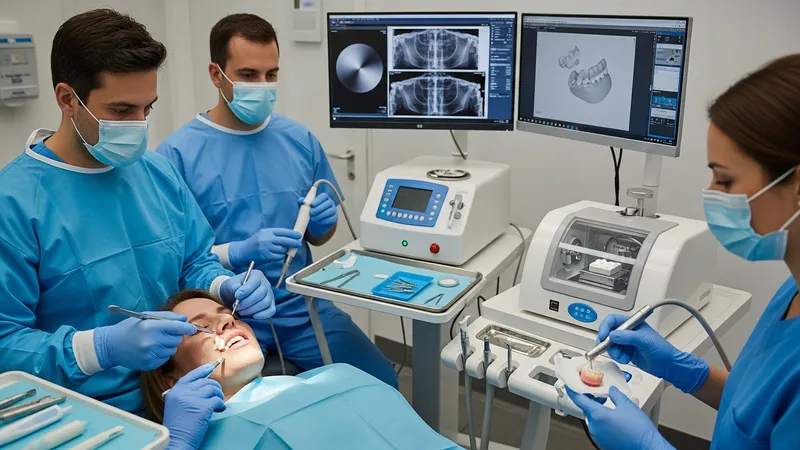
During the appointment, surgical and prosthetic teams coordinate timing for sequence-sensitive steps. For implant-based immediate restorations, surgical placement and verification of primary stability are followed by fabrication or adjustment of a provisional prosthesis. For chairside crown workflows, digital scanning, design, milling, and intraoral adjustments occur in sequence. When laboratory involvement is required, clinicians may use in-office temporization to provide a same-day interim restoration while definitive work proceeds externally. Each step can affect overall appointment length and follow-up needs.
Time considerations for single-visit procedures often differ from staged care. A same-day implant provisionalization visit may take several hours and commonly includes anesthesia, surgical placement, and prosthetic fitting. Chairside crown workflows may be completed in a few hours if digital equipment and staff expertise are available. Practices may schedule extended appointments and reserve time for intraoperative adjustments or occlusal refinements. Clear documentation of steps performed and material selections is typically prepared for both immediate and subsequent care phases.
Follow-up arrangements commonly accompany same-day restorations to monitor healing, manage occlusion, and plan definitive restorations. Short-term follow-up visits may occur within one to two weeks for soft-tissue assessment and provisional refinement, while longer-term evaluation can determine when a transitional restoration should be replaced by a definitive prosthesis. These planned touchpoints help clinicians observe biological responses and make data-driven decisions about converting provisional restorations to final solutions.
Temporary restorations provided on the same day often serve to protect tissues, restore appearance, and provide provisional function while biological processes continue. They may be composed of materials chosen for ease of adjustment and reparability rather than long-term wear resistance. Permanent restorations typically use ceramics, high-strength composites, or metal-ceramic combinations designed for longer-term durability and esthetics. Clinicians may plan for a temporary solution to be replaced by a definitive restoration after healing, maturation of soft tissues, or completion of osseointegration for implants.
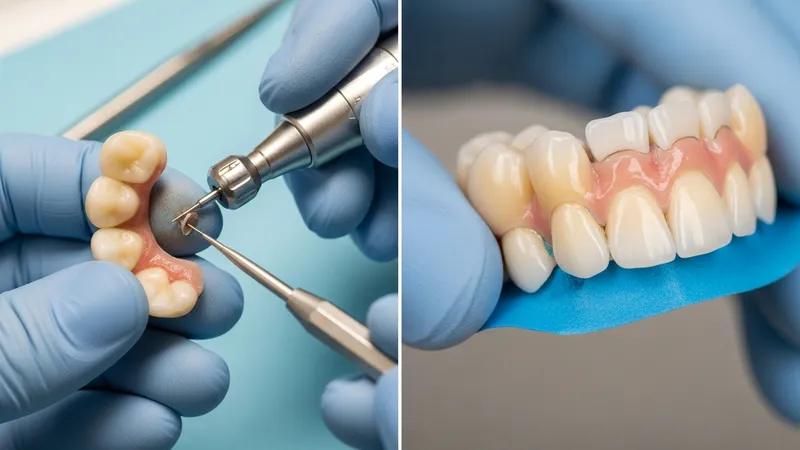
Design principles differ between temporaries and permanents. Provisional contours may be intentionally shaped to support soft tissue healing and to be easily modified, whereas definitive crowns are contoured for long-term hygiene access and occlusal stability. Occlusal management for a provisional often aims to minimize functional loading in the early healing phase, while definitive restorations are designed to restore complete function with appropriate occlusal contacts. These distinctions reflect a stepwise approach to transitioning from immediate to long-term care.
Material considerations impact clinical decisions for same-day placement. Provisional materials may be acrylic-based or composite resins that allow intraoral adjustments; definitive materials may include monolithic ceramics or layered systems intended for sustained durability. The choice may depend on location in the mouth, esthetic demands, and functional load. When immediate implants are provisionally restored, the provisional’s rigidity and occlusal scheme can influence initial mechanical loading during osseointegration, and clinicians typically plan provisionalization accordingly.
Timing of conversion from a temporary to a permanent prosthesis can vary by case. For implant-based treatments, clinicians commonly await evidence of biological integration before placing the final prosthesis, which may take several months. For restorations on natural teeth, clinicians may delay final cementation until soft-tissue contours stabilize or until laboratory-fabricated materials are available. These timelines are influenced by clinical healing patterns and by practitioner judgment about when conditions are appropriate for definitive restoration.
Recovery after same-day tooth replacement depends on the specific intervention performed. Surgical procedures such as implant placement may involve localized soft-tissue healing and mild postoperative discomfort that typically subsides over days to weeks; restorative-only visits may have minimal surgical recovery. Patients can expect follow-up visits for assessment and provisional refinement. Clinicians often advise gentle oral hygiene measures around the treated site and schedule monitoring to detect any early complications or need for adjustment.
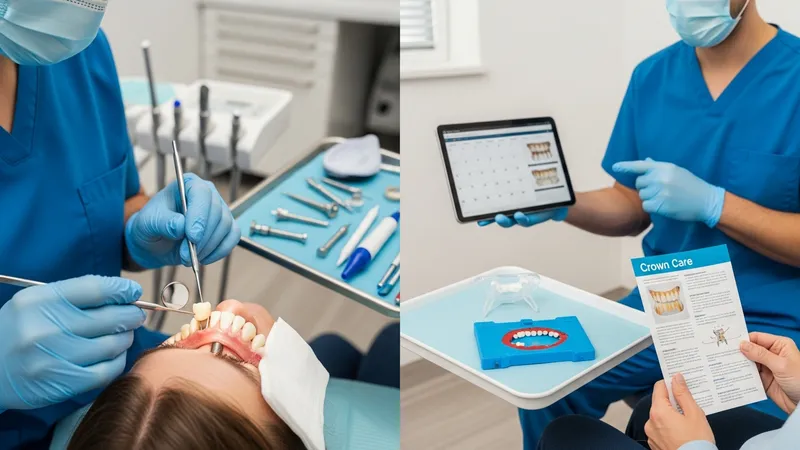
Maintenance of same-day restorations emphasizes oral hygiene, periodic professional assessment, and management of occlusal forces. Provisional materials may require repair or replacement if they fracture or wear prematurely. Definitive restorations placed after a provisional phase may require routine surveillance for marginal integrity, wear, and tissue response. Long-term success commonly depends on adequate plaque control, management of parafunctional habits, and timely professional maintenance.
Long-term planning includes consideration of restorative longevity and potential future interventions. Clinicians typically document the provisional design, materials used, and any intraoperative observations to inform definitive treatment planning. Factors such as adjacent tooth condition, future gum-line changes, and prosthetic access can influence the design of the final restoration. Patients and clinicians may discuss expected timelines for definitive prosthesis placement and the potential need for periodic adjustments over time.
Risk factors that can affect outcomes are often managed proactively. Uncontrolled systemic conditions, heavy occlusal forces, or inadequate bone support may influence whether a same-day approach is appropriate or whether staged treatment is preferable. Where same-day restorations are performed, careful monitoring and conservative provisional design can help mitigate early mechanical or biological issues. Over time, coordinated maintenance and timely replacement of provisionals with definitive restorations can support functional and esthetic objectives without implying guaranteed results.