
Choosing a place to retire in Colorado involves assessing a set of community characteristics and practical realities. The concept covers how housing types, cost of living, healthcare accessibility, local amenities, transportation, climate and seasonal weather, tax considerations, and social offerings interact to shape daily life for older adults. For many people the aim is to locate a community where routine needs, leisure preferences, and long-term supports align with personal priorities; this concept frames which towns may be more appropriate based on measurable and experiential factors rather than promotional language.
Evaluating Colorado towns for retirement typically requires comparing concrete aspects such as proximity to hospitals, availability of accessible housing, municipal services (snow removal, senior programs), and local cultural or outdoor resources. Geographic differences within the state — mountain elevations, Front Range suburbs, and southwestern high-desert areas — can influence heating costs, driving conditions, and seasonal access. Financial considerations such as property tax patterns, homeowners insurance in wildfire- or flood-prone zones, and utility costs often factor into the overall suitability assessment for retirees.
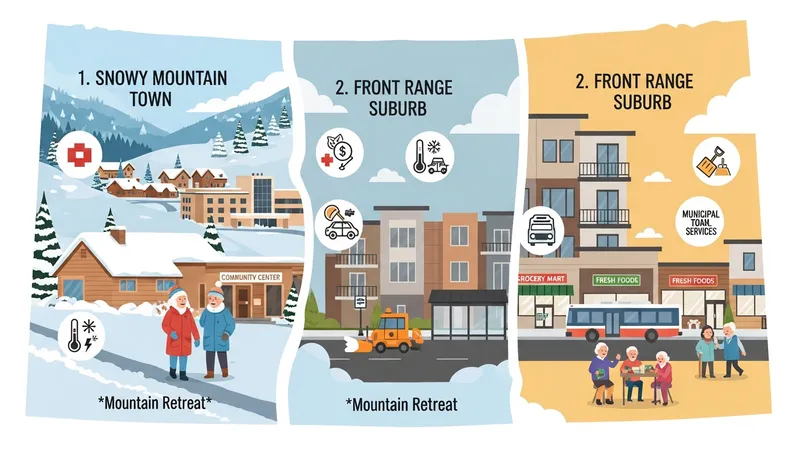
When comparing towns like those listed, it may help to group factors into categories: essential services (healthcare, grocery, pharmacy), mobility (road maintenance, public transit availability), and social infrastructure (senior centers, volunteer organizations). These categories offer a framework to weigh trade-offs: for example, a town with strong recreational offerings may have fewer specialized medical services nearby, whereas a larger city may provide broader healthcare access but with higher housing costs. Using such categories can clarify which local attributes align with individual preferences and functional needs.
Housing options often determine immediate affordability and long-term maintenance expectations. In Colorado, dwellings range from single-level ranch houses and condominiums to multi-story mountain cabins. Maintenance requirements, potential for snow-related access issues, and insurance considerations (e.g., wildfire risk in some zones) may influence total living costs. Many retirees also consider proximity to family, public services, and volunteer or community program availability as part of housing decisions rather than relying solely on purchase price.
Access to healthcare is typically a critical factor for older adults. Larger Colorado cities generally have hospitals with broader specialty coverage, while smaller towns may rely on regional clinics and transfer agreements to larger centers. Travel time to emergency care can be a significant practical consideration, as can the presence of home-health agencies and outpatient services. Publicly available sources such as local hospital and clinic directories may offer specific information about service levels in each town.
Local amenities and transportation patterns can affect daily life and social engagement. Towns with regular public transit, well-maintained sidewalks, and accessible community centers may support greater autonomy for residents who prefer not to drive frequently. Conversely, remote or high-elevation towns may require more personal vehicle use, which can be impacted by winter weather. Evaluating the frequency and reliability of local services may provide insight into how easily daily routines can be maintained.
In summary, the concept of evaluating Colorado retirement towns centers on matching community characteristics to personal priorities through categories such as housing, healthcare access, amenities, transportation, and climate. Comparing these factors on a town-by-town basis may reveal trade-offs that are important for long-term planning. The next sections examine practical components and considerations in more detail.
Housing decisions in Colorado retirement towns often involve trade-offs between purchase price, ongoing maintenance, accessibility, and proximity to services. Single-level condos or ranch-style homes may reduce maintenance and mobility barriers, while older historic homes in some towns can require more upkeep. Typical pricing patterns vary by region: Front Range suburbs generally show mid-range to higher median sales compared with many smaller mountain towns, which may command premium prices in desirable ski or recreation areas. Home insurance, utility expenses, and property tax rates can also influence overall housing affordability over time.
Market conditions in Colorado may fluctuate with seasonal demand and broader economic trends. In mountain or resort-adjacent towns, part-time occupancy and tourism can affect inventory and pricing, potentially influencing the availability of long-term rental options or resale timelines. Prospective residents may review local multiple listing service (MLS) listings and consult municipal property tax pages to gauge typical cost ranges. Framing housing expectations around long-term maintenance needs and accessibility features often helps align choices with day-to-day living requirements.
Accessibility features and retrofitting potential can be a key consideration in housing selection. Features such as zero-step entries, wider doorways, and first-floor bedrooms may be present in some newer developments or achievable through renovations. The availability of contractors familiar with accessibility modifications varies across Colorado; larger cities typically offer a wider pool of experienced trades. When evaluating properties, it may be useful to note which homes already incorporate age-friendly features and which might require adaptations later on.
Housing tenure options—owning versus renting—may influence flexibility and expense profiles. Renting can provide flexibility for trial residency or seasonal adjustments, while owning may align with long-term stability and equity considerations. Local regulations, homeowner association rules, and community design (e.g., planned communities with maintenance services) may affect monthly fees and obligations. Considering both short- and long-term horizons for housing needs can guide decisions about location and type of dwelling within Colorado towns.
Healthcare access often differentiates Colorado towns by the range and immediacy of available services. Larger urban centers such as those along the Front Range commonly house hospitals with a wider scope of specialties, outpatient clinics, and rehabilitation services. Smaller towns may rely on community hospitals, urgent care clinics, or telehealth options, with specialist referrals to regional medical centers. Emergency transport times and the availability of home-health providers can be practical considerations when comparing towns from a health-services perspective.
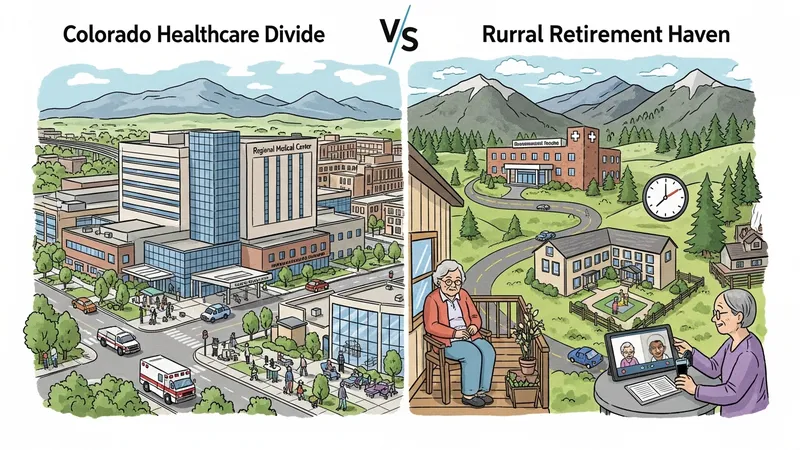
Long-term support services—home health aides, assisted living, and memory-care facilities—are distributed unevenly across the state. Metropolitan areas tend to have greater facility variety and capacity, while rural or mountain communities may have limited options that require travel for specialized services. Relevant sources such as state health department directories and local hospital websites can provide facility listings and service descriptions. Considering both present needs and potential future care requirements can inform how a town’s health infrastructure aligns with personal plans.
Insurance networks and Medicare-related service availability may vary by location. While Medicare is federal, the presence of participating providers and supplemental coverage options often depends on local practice patterns. Pharmacy access, in-person or delivery services, and connections to community health programs are additional practical elements that may affect ongoing care management. Evaluating local provider directories and plan networks may help clarify which towns offer convenient access to preferred clinicians and services.
Transportation for medical appointments is a practical support consideration. Some towns may offer volunteer driver programs, public transit routes that serve clinics, or specialized medical transport services. In winter months, travel reliability can be affected by snow and elevation-related road conditions. When assessing healthcare access, factoring in typical travel times to primary hospitals and specialist centers may give a clearer picture of day-to-day feasibility for ongoing medical care and appointments.
Local amenities contribute substantially to quality of life and social engagement in retirement communities. Libraries, senior centers, parks, cultural venues, and volunteer organizations may be more concentrated in larger towns and cities, while smaller towns often emphasize outdoor recreation and local events. The presence and hours of grocery stores, pharmacies, and banking services can influence convenience. Evaluating the density and reliability of these amenities helps clarify whether a town’s lifestyle offerings match individual social and activity preferences.

Transportation infrastructure varies across Colorado regions. Front Range municipalities typically provide more frequent public transit and ride-hailing availability, whereas mountain towns may rely more on personal vehicles and seasonal shuttle services. Walkability and pedestrian infrastructure can differ notably between downtown areas and suburban neighborhoods. For residents who prefer reduced driving, towns with transit options, accessible sidewalks, and nearby services may be preferable when compared to locations that necessitate regular car travel.
Climate and seasonal patterns often shape lifestyle choices. Higher-elevation towns may offer cooler summers and substantial snowfall in winter, which can affect outdoor mobility and heating costs. Lower-elevation or southwestern towns may have milder winters but bring other considerations such as summer heat or aridity. Seasonal access to services—snow removal schedules, winter road maintenance, and seasonal business hours—can influence day-to-day routines and may be relevant when selecting among Colorado communities.
Community culture and volunteer networks frequently contribute to social resilience. Towns with robust civic programs, hobby groups, and faith-based organizations may provide more opportunities for social connection and practical assistance. Participation levels and program scope often differ by population size and municipal resources. Considering whether local institutions and informal networks align with personal interests can help identify communities that support the lifestyle and social engagement desired during retirement.
State and local tax structures, estate-planning considerations, and regulatory issues can affect long-term finances and practical living arrangements. Colorado’s property tax system, local mill levies, and any relevant exemptions for seniors may vary by county; municipal fee schedules and utility rates can also differ among towns. While federal programs such as Medicare are national, local tax treatment of retirement income and property may influence net living costs. Consulting official county assessor pages and state tax resources can provide town-specific fiscal information.
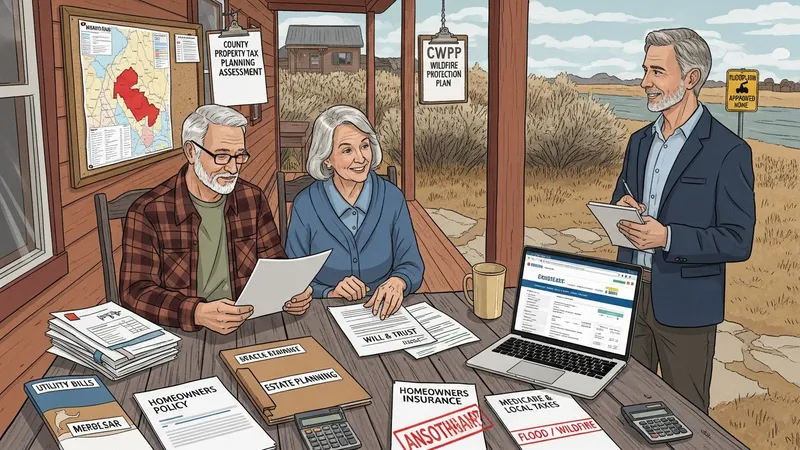
Insurance considerations—homeowners, flood, and wildfire insurance—may vary with geographic and environmental risk profiles. Some Colorado towns are in zones where wildfire exposure or flood plains influence underwriting and premiums. Insurance availability, typical premium ranges, and mitigation programs (defensible-space requirements, community wildfire protection plans) are relevant practical aspects when evaluating towns. Reviewing county emergency management and insurance resources can clarify potential insurance implications for a given location.
Transportation accessibility and emergency preparedness are practical planning topics. Road maintenance schedules, winter plowing practices, and emergency response times can differ significantly across jurisdictions. Communities often publish emergency plans and resources for residents; these documents may outline evacuation routes, shelter locations, and communication channels relevant for older adults. Assessing these practical dimensions may help identify towns where infrastructure and municipal planning align with personal risk tolerance and mobility needs.
When integrating legal, tax, and operational considerations into a location decision, balancing near-term convenience with long-term planning may provide a clearer perspective. Reviewing official county and municipal pages, local assessor information, and state regulatory guidance can offer concrete data for comparison. These elements, combined with housing, healthcare, and lifestyle factors covered earlier, contribute to a comprehensive view of how well a Colorado town may suit retirement living preferences.