
Adults-only resorts in Mexico are properties that limit guest access to adults and that are often situated where coastal access and local surroundings influence the guest experience. These properties may be located directly on beaches with private or shared shoreline, on small coastal bluffs, or near towns that provide cultural and dining options. Operators and planners typically design these environments to emphasize quieter public spaces, age-restricted facilities, and programs aimed at adult preferences. The physical location—whether a wide sandy bay, a rocky cove, or a harborfront—can significantly affect beach access, views, and the types of nearby services available.
Location choices for adult-focused properties frequently respond to both environmental conditions and transportation links. On Mexico’s Caribbean and Pacific coasts, shoreline type, seasonal surf, and local development patterns often determine whether a resort can offer direct swimable beaches, protected lagoon access, or limited-entry shoreline. Surroundings also matter: resorts near small towns may integrate local cuisine and markets, while those in resort corridors often align with established visitor services such as marinas and tour operators. Regulatory frameworks and local zoning can further shape beach access arrangements and public-versus-private shoreline boundaries.
Comparing these examples helps clarify how location and surroundings shape guest experiences. Beachfront all-inclusive properties may provide continuous beachfront amenities but can also sit in highly developed coastal corridors where public access and adjacent services are dense. Boutique hotels in towns may not have large private beaches but can give direct access to local culture and dining within walking distance. Eco-conscious lodges often emphasize limited capacity and proximity to natural features, which can affect both the ease of beach access and available on-site services. Each model presents trade-offs between shoreline access, privacy, and integration with surroundings.
Accommodation styles can vary widely across adult-focused properties and may influence how guests interact with the shoreline and local area. Larger complexes commonly include a range of room types and suites, sometimes with swim-out pools or terrace views of the ocean. Boutique properties frequently offer fewer rooms with a stronger emphasis on design and local materials, which can create a different relationship to the surrounding neighborhood. Eco-focused lodges may prioritize minimal-impact structures and offer interpretive materials about local ecosystems. These patterns can affect how guests plan time ashore, within the resort, and in nearby communities.
Dining and on-site service structures are another component linked to location and surroundings. Properties on major resort corridors often feature multiple on-site restaurants with varied cuisines to serve a larger guest population, while smaller town-based hotels may rely more on partnerships with local eateries or focus service on a single in-house dining offering. Access to local markets and producers can influence menus, particularly where resorts emphasize regional foodways. Food sourcing, service formats, and hours may therefore reflect both property size and proximity to surrounding communities.
Nearby attractions and available activities typically depend on the surrounding environment and infrastructure. Coastal resorts in areas with protected bays may offer calmer water sports and marine observation, while exposed beaches can be better suited to surfing and certain seasonal activities. Proximity to archaeological sites, colonial towns, or biosphere reserves can expand the types of day trips available; however, travel times and road conditions may vary. Local transportation options—shuttle services, taxis, or rental cars—often determine how easily guests can reach attractions beyond the property.
In summary, adult-focused coastal properties in Mexico vary principally by how their locations provide beach access and by the character of surrounding communities. Choices between sizable beachfront complexes, town-based boutique hotels, and lower-density eco-lodges usually reflect different balances of shoreline access, community integration, and on-site services. Observing these distinctions can help clarify what to expect from the setting and nearby offerings. The next sections examine practical components and considerations in more detail.
Coastal setting types often determine the practical nature of beach access and shoreline use. Wide sandy bays commonly provide easier, safer swimming conditions and more space for beach facilities, while narrow coves and rocky shores may offer scenic value but more limited swim zones. Many adult-focused properties are sited where local terrain allows stepped terraces or cliffside viewpoints; these placements can require stairs or short walks to reach the water. Seasonal weather and prevailing winds also affect wave conditions and beach erosion patterns, which in turn influence whether a property can maintain direct sandy access year-round.
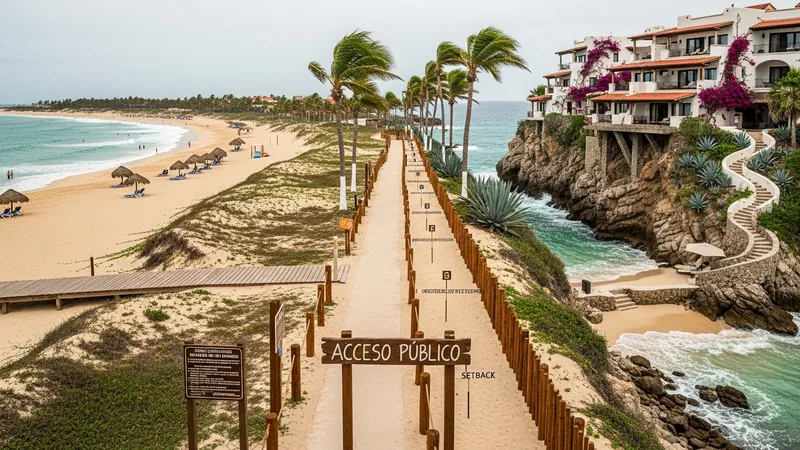
Public access and legal shoreline boundaries vary across Mexico, and those variations can shape how a resort interfaces with its environment. In many coastal areas, the public has rights to the foreshore while private developments occupy adjacent land; the resulting configuration can lead to managed walkways, private beach sections, or shared-use arrangements. Properties often work within municipal regulations concerning dune protection, setback lines, and permitted coastal structures. As a result, beach usability can differ by site even within the same region, depending on local planning and conservation priorities.
Infrastructure near the shoreline plays a role in guest movement and convenience. Proximity to paved roads, municipal services, and local transit may determine whether guests can reach nearby towns without extended transfers. In some regions, resorts occupy stretches with limited public lighting and fewer commercial outlets, which may appeal to travelers seeking quieter surroundings but can increase reliance on on-site services. Conversely, properties in resort corridors may offer immediate access to shops, marinas, and organized excursions, altering the pattern of daily mobility and shore-based activities.
Seasonality and environmental cycles are considerations for coastal access. Storm seasons can rearrange sandbars, alter currents, and affect suitability for swimming or water sports. Marine conservation measures, such as turtle nesting protections, can create temporary beach closures or restrictions on nighttime lighting. These factors often influence how properties schedule activities and how visitors plan shore-based time. Being aware that coastal conditions may change seasonally can help set expectations regarding beach access and adjacent natural features.
Room inventory and physical layout often reflect a property’s coastal placement and surrounding context. Beachfront complexes may offer rooms with direct sea views, terraces, or private access paths; they frequently allocate a greater share of floor area to public outdoor spaces such as pools and beach clubs. Boutique hotels in town centers may prioritize inward-facing courtyards and rooftop terraces that engage with the urban fabric rather than open beaches. Eco-oriented lodges frequently use dispersed cabin layouts to minimize visual impact and to maintain pedestrian connections to natural areas instead of large contiguous built forms.
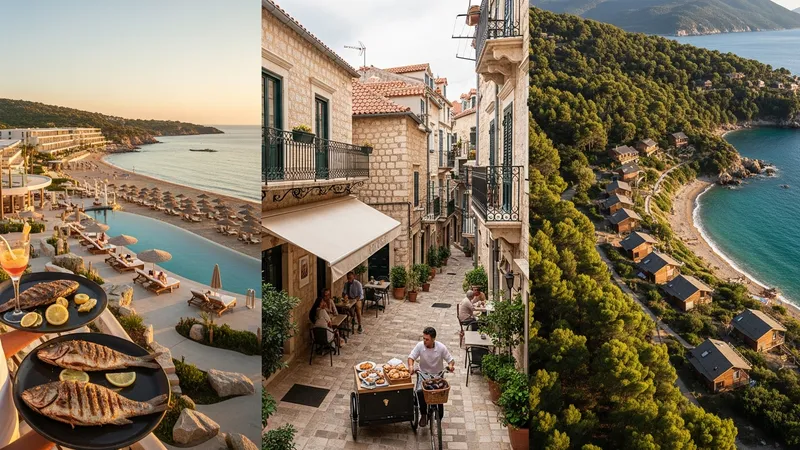
Service delivery and dining programming commonly adapt to both guest expectations and supply chains tied to the local surroundings. Properties that sit near fishing villages or agricultural areas may feature menus that incorporate regional ingredients, while resort corridors with more tourism-oriented supply chains may offer a broad spectrum of international cuisines. Dining formats can range from multiple on-site specialty restaurants to a single all-day venue; some smaller properties emphasize partnerships with nearby eateries to provide variety. Food-service logistics—such as cold chain availability and local producer relationships—often depend on the resort’s remoteness.
Design features linked to accommodation can also affect privacy and noise patterns. Larger clusters of units near shared beach facilities may result in concentrated activity zones, whereas scattered villas or bungalows tend to spread guest movement across a site. Acoustic considerations—such as placement of bars, entertainment spaces, and mechanical equipment—are often planned to reduce sound transmission into guest rooms, especially where the emphasis is on tranquil surroundings. These design responses commonly reflect a property’s goal to align accommodation layout with the character of nearby environments.
Room rates and operational patterns may vary with seasonality and location context. Properties in established resort corridors often have wider seasonal swings in occupancy and corresponding price variation, while smaller, more remote properties may operate with steadier rates but more limited inventory. When discussing typical pricing, it is useful to note that coastal access features—such as private shoreline or swim-out amenities—can contribute to higher cost structures relative to inland or urban adult-only properties. These are patterns rather than guarantees and can differ by market segment and timing.
Amenities at adult-oriented properties generally reflect both guest expectations and the constraints or opportunities of the site. Resorts with broad beachfronts may allocate space for multiple pools, beach lounges, and water-sport facilities that rely on proximity to calm water. In more urban or town-adjacent properties, amenities may concentrate on indoor wellness spaces, rooftop pools, or compact fitness facilities. Eco-minded properties typically design low-impact amenity footprints and may emphasize interpretive trails, native-vegetation gardens, and programming that explains local ecological processes.
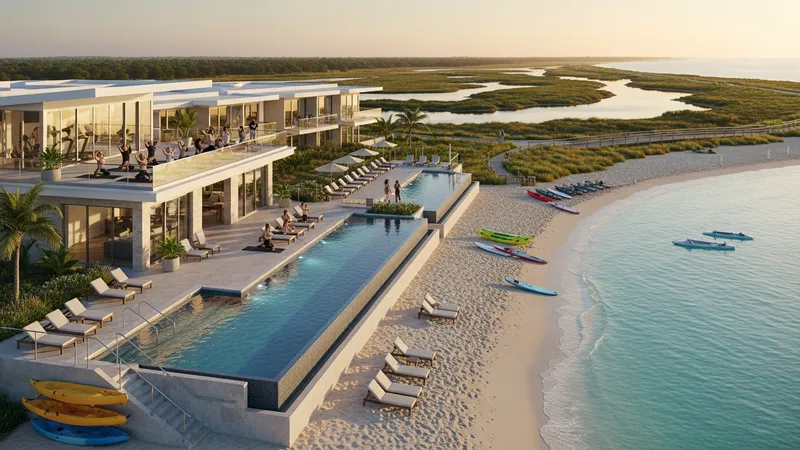
Wellness and quiet zones are frequently emphasized in adult-focused environments and tend to be calibrated to the type of surroundings. Properties adjacent to natural preserves may establish observation points or guided nature walks, while those in resort corridors may provide spa services and curated relaxation spaces separated from busier public areas. Noise management strategies—such as restricted hours for amplified entertainment and designated quiet pools—are often used to preserve a restful character, particularly where the surrounding community also values low ambient noise.
Operational patterns for amenities can reflect logistics tied to location. Remote properties might schedule fewer daily activities and provide more self-contained services due to supply constraints, whereas those near towns can rely on external vendors for excursions and specialty services. Staffing models and service hours are often adjusted to align with arrival patterns and local labor markets. Understanding that amenity availability can be influenced by the surrounding infrastructure is useful when evaluating the likely service mix at a given site.
Environmental stewardship is commonly integrated into amenity planning, especially where shorelines support sensitive habitats. Measures such as dune restoration, use of native landscaping, and restrictions on beachfront lighting during nesting seasons are sometimes implemented to balance visitor access with conservation. These practices can affect guest access to certain parts of the shoreline at specific times and may be described by properties as part of their operational policies. Such management practices are intended to align recreational use with ecological protection rather than to indicate universal procedures.
The character of nearby attractions often depends on regional geography and historical development patterns. Coastal properties near small towns commonly provide access to local markets, artisan shops, and small-scale cultural sites. In contrast, properties within larger resort belts may be closer to marinas, commercial excursion operators, and a broader range of entertainment options. Access times to archaeological zones or protected natural areas can vary from short drives to day-long excursions, and travel planning should account for seasonal road conditions and local transport availability.
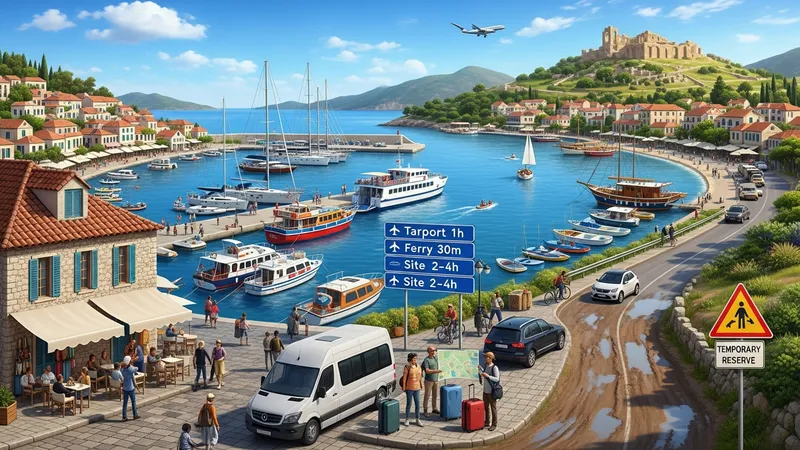
Transportation infrastructure and arrival logistics influence how easily visitors can reach a property from regional airports or ferry terminals. Some coastal zones are near major international airports with direct transfers, while others require additional regional flights, longer road transfers, or boat access. Transfer times and the predictability of routes can affect daily excursion options and the convenience of arriving or departing during off-peak hours. These are logistical considerations rather than assessments of quality, and they can materially affect how guests allocate time during a stay.
Interactions with surrounding communities are an important consideration for many properties. Proximity to towns can support sourcing of food, crafts, and labor, creating economic connections with local residents. Conversely, more isolated sites may foster limited-but-focused community engagement through specific partnerships or outreach programs. Visitors may notice different patterns of local commerce, from daily markets and street vendors to more tourism-oriented services, depending on the surrounding settlement type and seasonal visitor volumes.
Environmental and cultural sensitivity often shapes access to nearby attractions. Protected areas may enforce visitor limits, guided-only access, or seasonal closures to preserve habitats and cultural resources. Archaeological and historical sites may have specific visiting hours and conservation protocols. Travelers and planners typically find it helpful to consider these factors as part of broader trip logistics: they may influence the timing of day trips, the selection of local guides, and how community and natural values are respected during visits. This information supports informed planning without implying prescriptive steps.